
Deep Foundations
Micropiles
Micropiles Fact Sheet:
Micropiles are small diameter drilled columns of steel and grout used to carry heavy loads when soil is weak or space is tight. Each pile is only 5 – 12 inches wide but can reach great depths and support hundreds of tons.
Where we use them
-
-
Strengthen old foundations that have settled.
-
Add extra support for new buildings on soft ground.
-
Tie back steep slopes or retaining walls.
-
Secure bridges, towers, and other hard‑to‑reach sites.
-
How micropiles are installed
-
-
Mobilize a Klemm or Hütte small‑diameter drill rig, adaptable for basements, slopes, or open sites depending on the project.
-
Drill to design depth with rotary percussion, using casing or fluid flush in loose soils.
-
Lower a high‑strength steel bar or casing into the clean borehole.
-
Pump cement grout from the tip upward to bond the pile and expel debris.
-
Trim the pile head, allow grout to cure, and proof‑load selected piles for strength.
-
Advantages of Microiles
-
High strength in a small footprint. One slim pile can resist large pushes, pulls, and sideways forces.
-
Little disturbance. Drilling causes far less vibration than driving larger piles, protecting nearby structures.
-
Works in tough ground. We can drill through rock, fill, and buried debris without stopping.
-
Fast, flexible setup. Light rigs move in quickly, even under low ceilings or on narrow streets.
Together, these features make micropiles a reliable, low‑impact solution whenever solid support is needed in demanding conditions.
Micropiles for Difficult Ground and Limited Access
Micropiles are small-diameter drilled and grouted foundation elements used for underpinning, retrofit work, and new construction. Typically 5 to 12 inches in diameter, they can be installed through difficult ground, including rock and boulders, and with compact equipment where access is limited.
Installation typically includes drilling a borehole, placing steel reinforcement, and pumping grout to form the pile. Micropiles can resist compression and tension loads, which makes them useful for supporting existing foundations, stabilizing slopes, and constructing new foundations on constrained sites. Drilled installation also limits vibration near existing structures.
Benefits of Micropiles
Micropiles can reinforce existing foundations or support new construction where access or ground conditions limit larger equipment. Key benefits include:
- Versatility: Micropiles can be installed through varied soil and rock profiles and in tight work areas.
- Low Vibration: Drilled installation produces less vibration than driven pile methods, which can matter near existing structures.
- Load Capacity: Micropiles can carry substantial compression and tension loads within a small footprint.
Pacific Foundation Micropile Experience
Pacific Foundation installs micropiles for underpinning, new foundations, bridge work, anchors, and other specialty applications. At the Oregon State Capitol, our team installed micropiles as part of the CAMS III seismic retrofit and base-isolation project. See the CAMS III project page for details.
For CAMS III, Pacific Foundation installed 750 micropiles to underpin and stabilize the historic Capitol as part of the seismic retrofit and base-isolation work.
When and Why to Use Micropiles
Micropiles can fit projects with limited access or restrictions on noise and vibration, including work near existing structures and in sensitive locations.
They may be considered for reinforcing existing foundations or supporting new foundations where difficult ground or constrained access affects the work.
Contact Pacific Foundation to discuss whether micropiles fit your project conditions and load requirements.
talk to us
Connect with

Bid & Estimation Team
(360) 200.6608
Whether you're an engineer exploring potential solutions, or a general contractor ready to submit an RFP, we are here to help. Contact us today to get started!
Featured Projects
Proof from complex ground and access conditions
Representative work across deep foundations, earth retention, and ground improvement, selected to show the conditions our teams are equipped to solve.
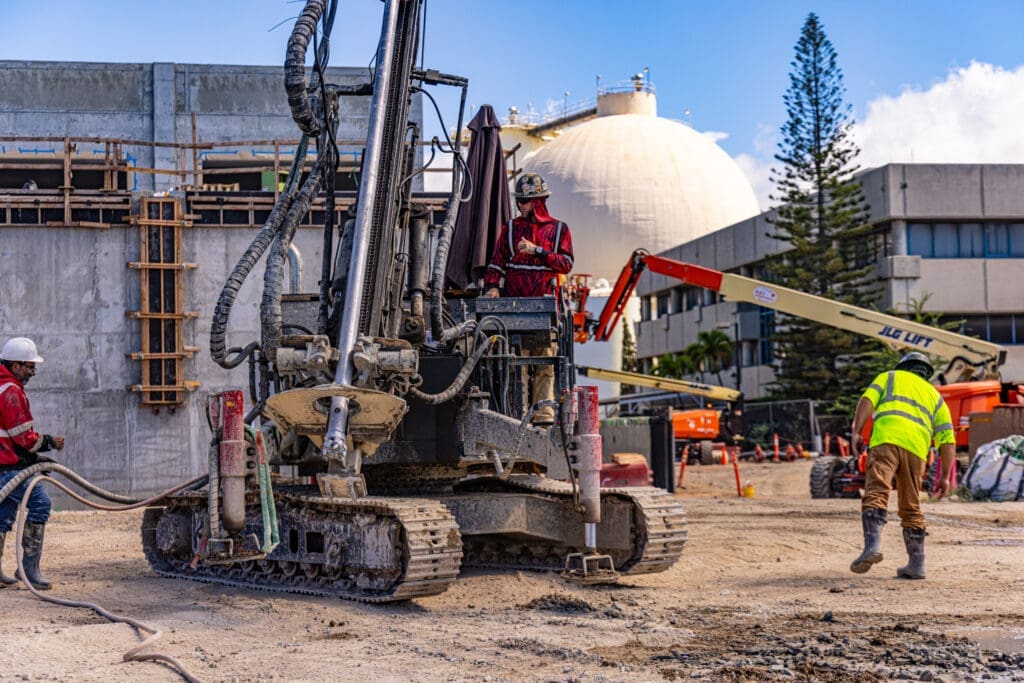
Water, Sewer & Waste
Synagro – Sand Island
Synagro’s Sand Island project in Honolulu expands biosolids treatment at the Sand Island Wastewater Treatment Plant.
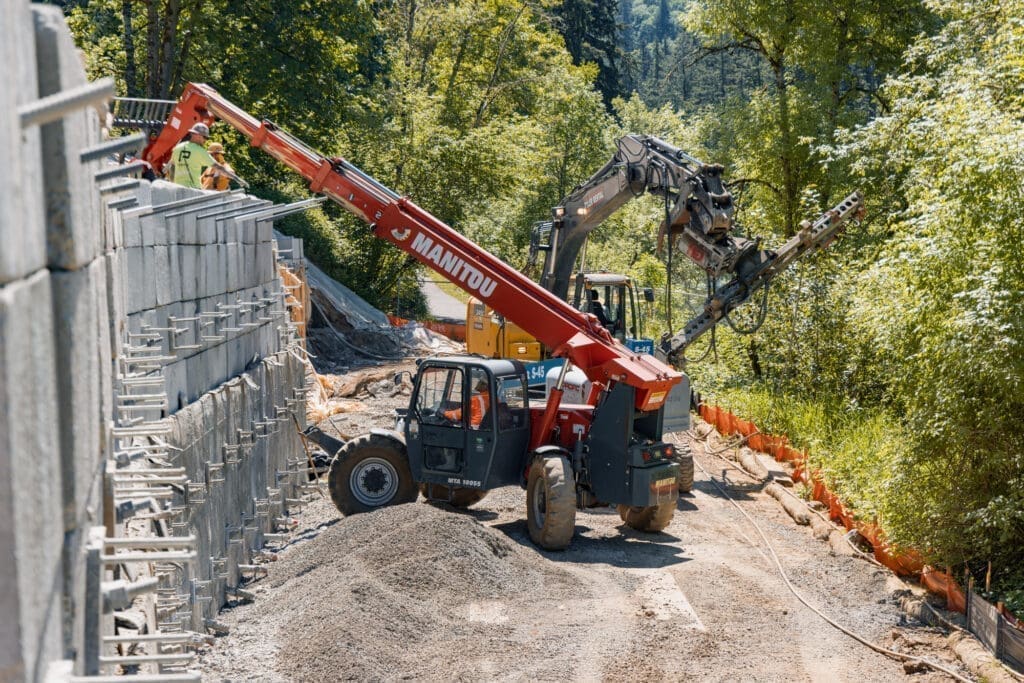
Bridges & Transportation
Willamette Drive Soil Nail Wall
The Willamette Drive Soil Nail Wall project supports roadway improvements near Athey Creek Middle School in West Linn, Oregon.
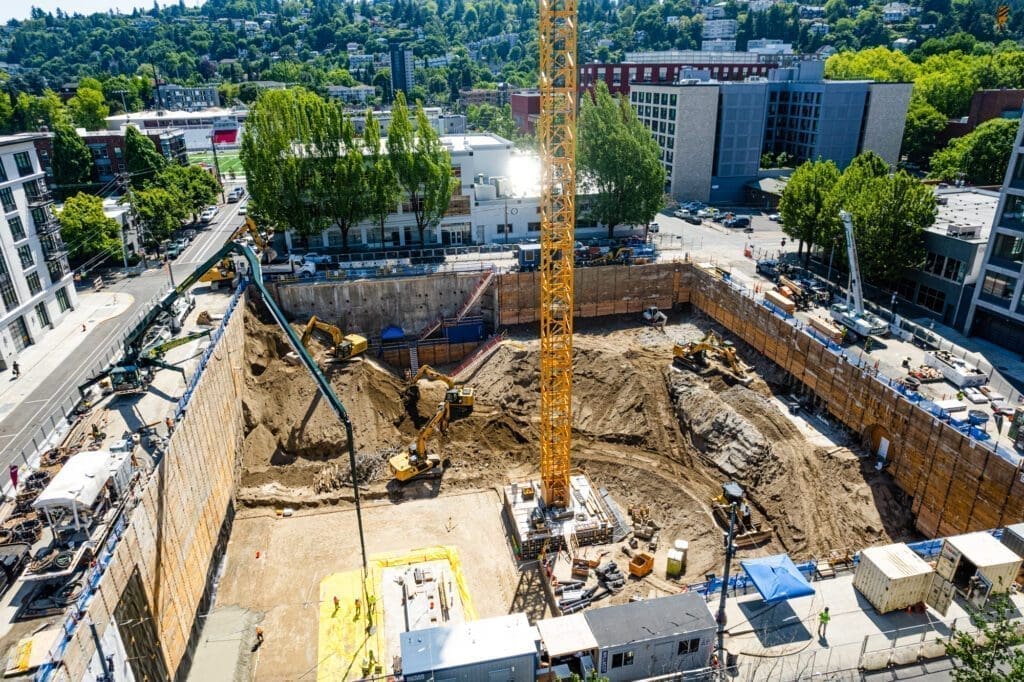
Commercial
Press Blocks
Press Blocks redevelops the former Oregonian printing site in Portland’s Goose Hollow neighborhood as a mixed-use urban project.