

Underpinning
Underpinning adds or transfers support beneath an existing structure where investigation, access, sequencing, and load transfer leave little room for assumptions.
Pacific Foundation combines micropiles and steel jacking supports to carry building loads during structural upgrades, helping clients strengthen foundations while retaining the existing structure.
How Underpinning Works
Underpinning planning begins with existing foundation information, access, excavation limits, utilities, and the required support condition. Pacific reviews whether micropiles, brackets, pits, shoring, or other support methods fit the structure and the construction sequence.
When to Use Underpinning
Use underpinning when an existing foundation needs support during adjacent excavation, retrofit, settlement mitigation, structural upgrade, or new loading.
Adjacent excavation
Work beside existing foundations where the new cut changes support conditions.
Retrofit or seismic work
Structural upgrades where new loads or support paths are added to existing buildings.
Settlement-sensitive sites
Projects where existing structures need controlled support during repair or new construction.
Tight access
Interior, urban, or below-grade work where equipment and excavation space are limited.
Equipment and Tooling
Underpinning equipment is selected around access, headroom, excavation limits, utilities, foundation type, and support method. Small drilling equipment, shoring support, and material handling may matter more than production speed.
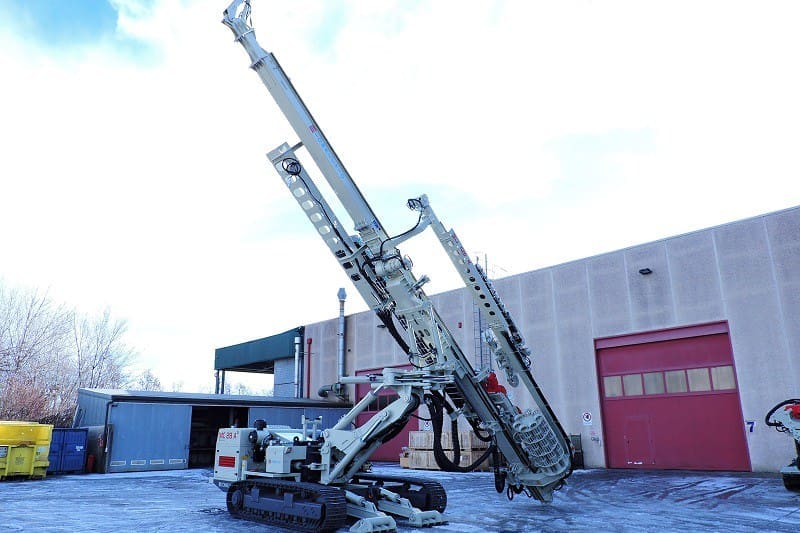 Comacchio MC 28 HD
The Comacchio MC 28 HD is a heavy-duty multipurpose drill rig for larger small-diameter foundation and treatment work.
View equipment Comacchio MC-22
The Comacchio MC-22 is a multipurpose articulated drill rig used across a wide range of geotechnical drilling methods.
View equipmentFinal equipment depends on existing foundation conditions, access, selected support method, monitoring requirements, and excavation sequence.
Project Experience
These projects show how access, temporary support, monitoring, and load transfer shape underpinning work.
 CAMS III – Oregon Capitol
Pacific Foundation installed low-clearance micropiles and steel jacking towers to support structural jacking and the base-isolation sequence beneath the existing Capitol.
View projectPacific Foundation installed underpin anchors, existing-wall tiebacks, soldier piles, shoring-wall tiebacks, and wood lagging for the center.
View projectPacific Capabilities
Pacific reviews the existing foundation, load path, access, temporary support, permanent support, excavation, and monitoring before field work starts. That review helps contractors define the sequence around a structure that must remain protected.
Underpinning FAQs
What information is needed before underpinning is reviewed?
Existing foundation drawings, structural plans, geotechnical information, excavation limits, utility information, access constraints, monitoring requirements, and the intended load-transfer condition are important early inputs.
Is underpinning always done with micropiles?
No. Micropiles are common on constrained structural work, but underpinning can involve different support approaches depending on the foundation, access, loads, excavation sequence, and design.
Why does sequencing matter so much?
Underpinning changes support conditions around an existing structure. Excavation, temporary support, permanent support, and monitoring have to be coordinated so the structure remains controlled through the work.

Discuss Your Underpinning Scope
Send the existing foundation information, structural drawings, excavation plan, access limits, and monitoring requirements. Pacific will review support options and sequencing before the work becomes a constrained field problem.