
Markets
Commercial & Urban Development
Commercial, multifamily, and urban development sites often need foundation, shoring, tieback, and ground-improvement scopes where access, adjacent structures, utilities, excavation limits, groundwater, and schedule control the work.
Pacific Foundation supports commercial and urban development scopes where access, adjacent structures, utilities, excavation limits, groundwater, and sequence affect the work.
Adjacent Structures
Existing buildings, sidewalks, streets, and property lines can shape shoring, vibration, settlement, and monitoring assumptions.
Utilities
Known and suspected utilities need early review because relocations, protection, or potholing can affect the foundation sequence.
Excavation Limits
Basements, podiums, ramps, and tight property lines can turn excavation support into a controlling scope.
Schedule Interfaces
Turnover to excavation, concrete, utilities, and vertical construction should be clear before production assumptions are set.
Market Fit
Site Constraints
Urban and commercial sites usually have interfaces that matter before the crew mobilizes. Property lines, neighboring structures, utilities, haul routes, spoils, vibration sensitivity, groundwater, and excavation limits can all change the right scope.
The site plan, geotechnical information, access, adjacent conditions, and schedule separate a defined bid item from a constructability question.
Markets We Serve
Related Market Context
If a project crosses market lines, start with the site constraints, required methods, access, groundwater, utilities, and construction sequence.
01
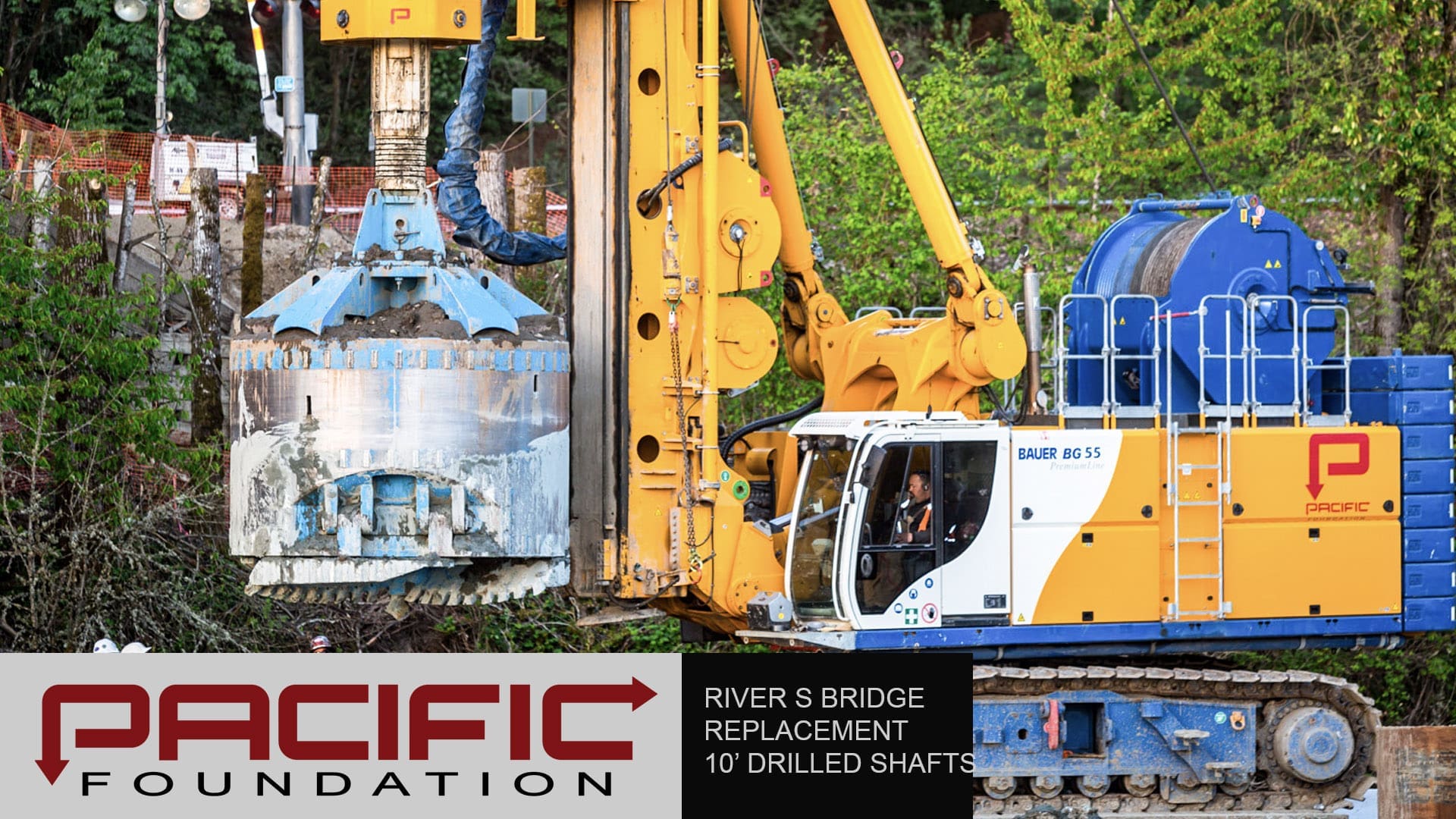
Transportation
Bridge, roadway, rail, and corridor work where staging, utilities, traffic control, and work windows affect equipment access and production.
02
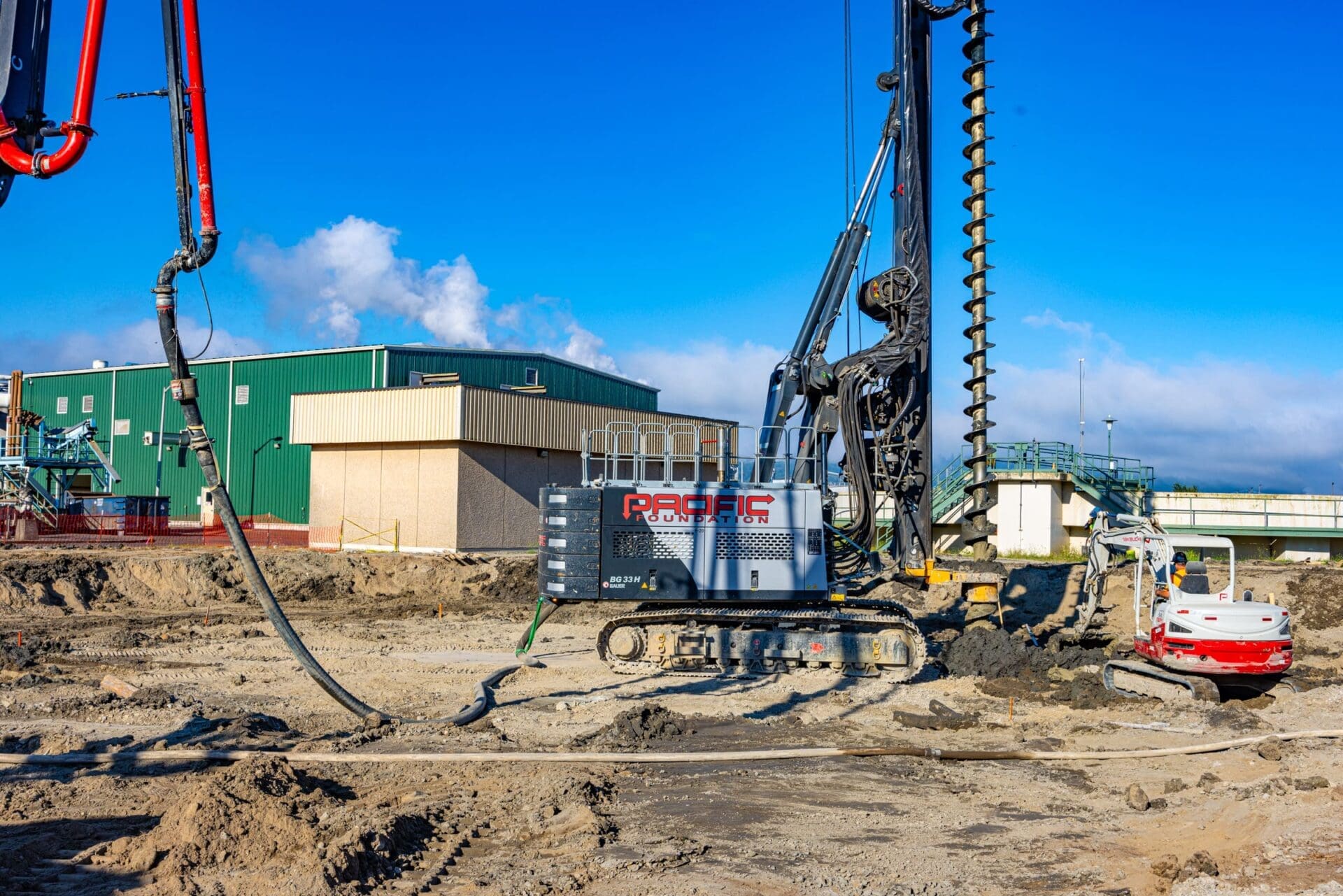
Water & Wastewater
Treatment facilities, pump stations, reservoirs, and utility work where groundwater, operations, and documentation matter.

04
Civic & Government
Public facilities, schools, and agency work where access, records, inspections, and public coordination matter.
Service Routing
Connect The Market To The Method
Load requirements, groundwater, vibration sensitivity, retained height, settlement criteria, access, and sequencing determine the service fit.
Deep Foundations
Loads, subsurface conditions, structure type, access, and testing requirements can change the foundation scope before the method is fixed.
Shoring & Earth Retention
Review excavation depth, retained height, adjacent structures, utilities, easements, and work-zone limits before pricing the support system.
Ground Improvement
Soil profile, settlement criteria, strength gain, cutoff needs, and treatment geometry determine whether improvement belongs in the scope.
Groundwater Control
Separate seepage, cutoff, discharge, treatment, dewatering, and active-facility assumptions so the water condition is not hidden inside another bid item.
Representative Experience
Relevant Project Experience
Review projects with similar property-line, excavation, groundwater, or urban-access constraints.
Start The Review
Review The Commercial Or Urban Scope
Send the current plans, specifications, geotechnical information, project location, schedule or bid date, and known constraints. Include access limits, groundwater, adjacent structures, utilities, work windows, testing requirements, and the methods being considered when those details are available.
Send the Current Plans
Pacific can review the drawings, geotechnical information, access, groundwater, utilities, schedule, and testing requirements available for the project.